India's Economic Squeeze: Modi Urges Belt-Tightening Amid Gulf Crisis
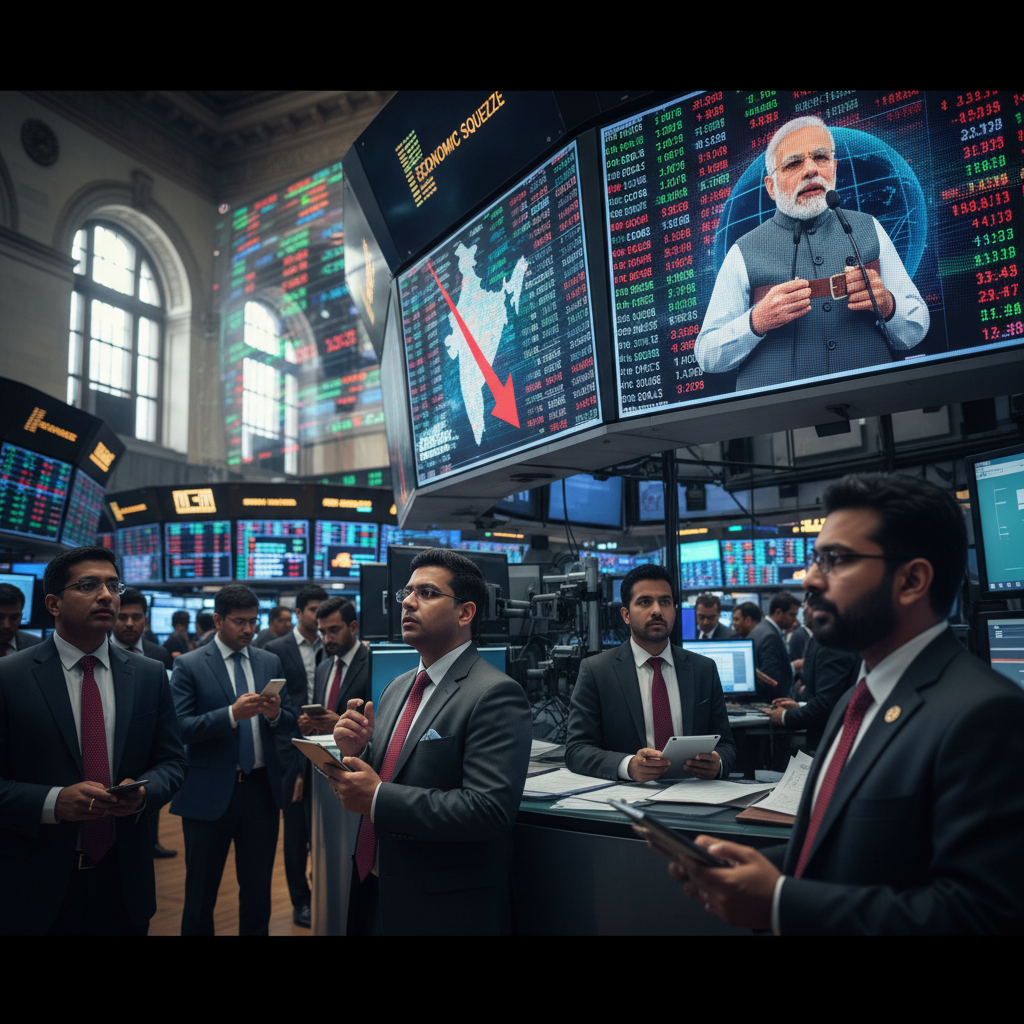
Indian PM Modi advises citizens to cut spending, limit gold, and avoid foreign travel to safeguard national finances during a significant Gulf crisis.
Key Takeaways
- PM Modi urged Indians to tighten spending due to a Gulf crisis.
- Citizens are asked to work from home, limit gold purchases, and stop foreign travel.
- The goal is to conserve foreign exchange reserves.
- These measures highlight economic pressures stemming from geopolitical instability.
- India's actions could influence global commodity markets, especially gold and energy.
Why It Matters
India's economic directives signal global market sensitivity to geopolitical events, impacting commodity prices and investment outlooks.
When a nation as economically significant as India, with its 1.4 billion people, calls for its citizens to tighten their belts, it's not just local news – it's a tremor felt across global markets. Prime Minister Modi's recent directives to conserve foreign exchange amid an unspecified 'Gulf crisis' highlight the intricate interconnectedness of our financial world, potentially influencing everything from commodity prices to the stability of emerging market investments right now.
Understanding these shifts is crucial, as they can impact your investment portfolio, the price of goods you buy, and even your future travel plans.
The Bottom Line
- Indian Prime Minister Narendra Modi has urged citizens to adopt austerity measures.
- Key directives include working from home, limiting gold purchases, and reducing foreign travel.
- The primary objective of these measures is to conserve the nation's foreign exchange reserves.
- These actions are explicitly in response to an ongoing “Gulf crisis,” signaling significant regional economic pressure.
- India's move could have ripple effects on global commodity markets, especially gold, and potentially impact energy prices and international tourism.
What's Happening
In a significant address, Indian Prime Minister Narendra Modi has called upon the nation's citizens to implement a series of austerity measures aimed at shoring up the country's economic stability. The core of this appeal is a concerted effort to conserve foreign exchange, a vital buffer against external economic shocks.
Modi's specific instructions include encouraging citizens to work from home where possible, limit non-essential gold purchases, and significantly curb international travel. These directives come in direct response to an unspecified but evidently impactful “Gulf crisis,” suggesting that geopolitical tensions or economic disruptions in the Middle East are exerting considerable pressure on India's economy and its currency reserves.
Why This Matters for Your Money
Even if you're not in India, these developments carry weight for your personal finances and investments. India is one of the world's largest economies and a significant player in global trade and consumption. A directive from its government to conserve foreign exchange can signal broader economic instability that might impact global market sentiment, particularly regarding emerging markets.
For investors, a call to limit gold purchases in India—a country historically one of the largest consumers of gold—can directly affect global gold prices. Any sustained reduction in Indian demand could exert downward pressure on gold, impacting those who hold gold as an investment or a hedge against inflation. Furthermore, the mention of a “Gulf crisis” implicitly points to potential disruptions in energy markets, as the Gulf region is a major global oil and gas producer. Fluctuations in energy prices directly translate to changes in fuel costs, transportation expenses, and the overall cost of goods and services globally.
Moreover, a nation actively working to conserve foreign exchange often implies pressure on its own currency. For those with international investments or exposure to global supply chains, understanding these currency dynamics is essential. A weaker Indian Rupee, for instance, could make Indian exports cheaper but imports more expensive, affecting global trade balances and potentially the profitability of multinational corporations with Indian operations. The advice to limit foreign travel also impacts the global tourism industry, potentially affecting airlines, hotel chains, and other travel-related businesses.
Action Steps
- Monitor Global Geopolitical News: Stay informed about developments in critical regions like the Middle East. Geopolitical stability directly affects oil prices, supply chains, and investor confidence.
- Review Your Investment Portfolio for Diversification: Ensure your investments aren't overly concentrated in a single market or asset class, especially emerging markets or commodity-heavy sectors that might be more susceptible to global shocks.
- Re-evaluate Your Gold Exposure: Understand that large consumer markets, like India, can influence global gold prices. Consider how shifts in demand might impact your gold investments.
- Assess Energy Cost Implications: Be prepared for potential volatility in energy prices, which can impact household budgets (gasoline, utilities) and the cost of goods due to higher transportation expenses.
- Maintain a Robust Emergency Fund: Global economic uncertainties underscore the importance of having 3-6 months of living expenses saved in an easily accessible emergency fund.
- Stay Informed on Currency Trends: If you have international holdings, travel plans, or receive income from abroad, keep an eye on currency exchange rates as global events can cause significant shifts.
Common Questions
Q: What is "foreign exchange" and why is it important for a country?
Foreign exchange refers to foreign currencies held by a country's central bank. It's crucial because it allows a nation to pay for imports, service foreign debt, and stabilize its own currency. A shortage can lead to economic instability and difficulty in international trade.
Q: How could India's economic directives affect global markets beyond gold and energy?
India's measures could signal broader weakness in emerging market economies, potentially leading to capital outflows from these markets. This could increase volatility in global stock markets and influence investor appetite for riskier assets.
Q: Should I change my investment strategy immediately based on this news?
Sudden, drastic changes to your investment strategy are rarely advisable. Instead, use this information to review your existing portfolio for diversification and risk exposure. Ensure your long-term goals align with your current allocations and consider consulting a financial advisor for personalized guidance.
Ciro's Take
This news from India serves as a potent reminder of how deeply interconnected our global financial system truly is. A crisis in one region, even if vaguely defined, can prompt national responses that ripple through international trade, commodity markets, and investment sentiment. What we're seeing in India is a government prioritizing national economic resilience by asking its citizens to make short-term sacrifices. For those of us observing from outside, it’s a clear signal to assess our own financial resilience.
Smart money doesn't panic, but it does prepare. This situation highlights the ongoing need for a diversified portfolio, a strong emergency fund, and a keen eye on geopolitical developments. Don't underestimate how events seemingly far away can impact your household budget or your retirement savings. Use this as a prompt to review your financial preparedness and ensure you're not overly exposed to any single risk factor.
This article is for informational purposes only and is not financial advice.
Sources
Based on reporting by Financial Times.
Source: Financial Times