Inflation 'Genie' Unleashed: BMO Expert Warns on Fed's Rate Path
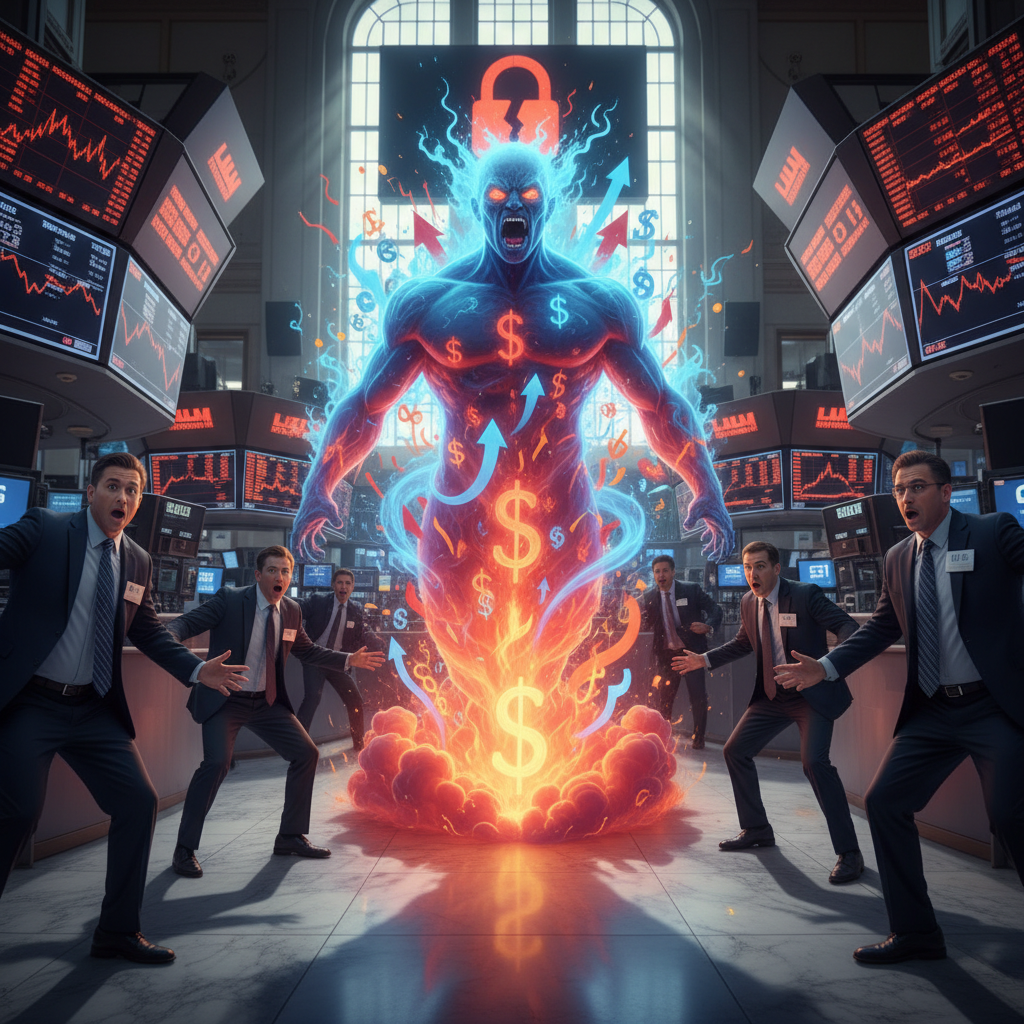
A senior BMO Global Asset Management strategist warns that inflation is a persistent threat, with potential Federal Reserve rate hikes off the table for 2026 but likely in 2027, signaling a shift in monetary policy focus.
Key Takeaways
- BMO's Earl Davis warns inflation is a 'genie' that has been let out, implying persistent price pressures.
- No interest rate hikes are expected for 2026, offering near-term stability.
- Rate hikes are 'definitely on the table for 2027,' indicating future monetary tightening.
- The Federal Reserve is 'two meetings away' from potentially dropping its easing bias, signaling a policy pivot.
- Markets are anticipated to focus on these shifts, impacting investment decisions.
Why It Matters
This expert warning on persistent inflation and potential future rate hikes directly impacts your purchasing power, borrowing costs, and investment strategies, urging proactive financial planning.
Understanding the future of inflation and interest rates is crucial for every household budget and investment portfolio. A recent warning from a prominent financial expert suggests that the 'inflation genie' is out of the bottle, potentially reshaping the Federal Reserve's actions and directly impacting your savings, borrowing costs, and investment strategies in the coming years. This isn't just Wall Street chatter; it's a signal that could mean adjusting your financial planning now.
The Bottom Line
- Earl Davis, Head of Fixed Income and Money Markets at BMO Global Asset Management, states that inflation remains a significant concern, metaphorically describing it as a 'genie' that has been released.
- According to Davis, interest rate hikes are not anticipated to be on the table for the year 2026, offering some short-term stability for borrowing costs.
- However, looking further out, Davis definitively puts rate hikes 'on the table for 2027,' indicating a longer-term expectation for tighter monetary policy.
- He also projects that the Federal Reserve is 'a solid two meetings away' from potentially dropping its current easing bias, a move that would signal a more hawkish stance on monetary policy.
- Davis anticipates that market participants will soon shift their focus, anticipating these future policy changes and their implications for various asset classes.
What's Happening
In a recent observation that has caught the attention of financial markets, Earl Davis, the influential Head of Fixed Income and Money Markets at BMO Global Asset Management, offered a stark assessment of the current economic climate. Davis metaphorically described inflation as a 'genie' that has already been let out of the bottle, suggesting that inflationary pressures are not easily contained and are likely to persist.
His commentary zeroes in on the Federal Reserve's potential path for interest rates, which directly influences borrowing costs and investment returns across the economy. Davis stated unequivocally that his firm does not foresee any interest rate hikes occurring in 2026. This projection could offer a degree of certainty for businesses and consumers planning for the near to medium term.
However, the outlook changes significantly when looking further ahead. Davis's analysis indicates that rate hikes are 'definitely on the table for 2027,' signaling a potential shift towards tighter monetary policy by the Fed in the not-too-distant future. He further added that the Federal Reserve is likely 'a solid two meetings away' from abandoning its current easing bias, an official stance that has supported economic growth through accommodative policies. This suggests that the central bank is nearing a pivot point, which markets are expected to closely monitor.
Why This Matters for Your Money
Earl Davis's comments from BMO Global Asset Management are more than just financial jargon; they are a crucial indicator for your personal finances. If the 'inflation genie' is indeed out, it means your purchasing power continues to erode. The dollar you earned yesterday might buy less tomorrow, impacting everything from your grocery bill to the cost of major purchases like a car or a home. Understanding this trend is the first step in protecting your wealth.
The implied timeline for interest rate adjustments also has direct implications for both savers and borrowers. If the Fed avoids hikes in 2026 but considers them for 2027, it means those with variable-rate debt, such as certain mortgages or credit card balances, might see their payments increase down the line. Conversely, savers hoping for higher returns on their cash might have to wait longer, but could potentially see better rates emerge by 2027.
For investors, this outlook underscores the importance of a diversified and inflation-aware portfolio. Fixed-income investors, in particular, will be watching closely as bond yields react to Fed signals. Equity markets, too, can be sensitive to interest rate expectations, as higher rates can impact corporate borrowing costs and future earnings. Staying informed about these macroeconomic shifts allows you to make more strategic decisions about where your money is invested.
Action Steps
- Review Your Budget for Inflationary Pressures: Take a fresh look at your monthly expenses. Identify areas where costs have increased or are likely to rise, such as food, energy, and transportation. Adjust your budget to accommodate these potential increases and ensure you're not overspending.
- Assess Your Debt: If you have significant variable-rate debt (like some credit cards or adjustable-rate mortgages), consider strategies to reduce it or refinance into fixed-rate options before 2027, when rate hikes are 'definitely on the table.' This could lock in lower payments and provide predictability.
- Evaluate Your Emergency Fund: Ensure your emergency fund is not only sufficient in size but also maintaining its purchasing power. Consider if it needs to be slightly larger to account for increased costs of living, especially if inflation persists.
- Diversify Your Investment Portfolio with an Eye on Inflation: While specific advice isn't provided here, consider researching asset classes that historically perform well during inflationary periods, such as Treasury Inflation-Protected Securities (TIPS), real estate, or commodities. Consult with a financial advisor to see if these align with your risk tolerance and goals.
- Stay Informed on Federal Reserve Communications: Pay attention to news regarding upcoming Federal Reserve meetings and statements. Their decisions and forward guidance on monetary policy will provide critical insights into future interest rate movements.
Common Questions
Q: What does it mean that the 'inflation genie has been let out of the bottle'?
A: This metaphor suggests that inflation is no longer a temporary or easily controllable phenomenon; it implies that inflationary pressures are persistent and will be challenging for central banks to manage, impacting prices across the economy for an extended period.
Q: What is the Federal Reserve's 'easing bias'?
A: An easing bias means the Federal Reserve is predisposed to maintaining or further loosening monetary policy (e.g., keeping interest rates low) to stimulate economic growth. Dropping this bias would signal a readiness to tighten policy, potentially through interest rate hikes, if economic conditions warrant it.
Q: How do interest rate hikes affect my personal finances?
A: Interest rate hikes typically increase the cost of borrowing for new loans (mortgages, car loans, credit cards) and can raise payments on existing variable-rate debt. On the positive side, they can lead to higher returns on savings accounts, certificates of deposit (CDs), and bonds, benefiting savers.
Ciro's Take
Earl Davis's comments about the 'inflation genie' and the Fed's potential path are a sober reminder that while economic narratives can shift, fundamental economic pressures like inflation tend to be sticky. For the everyday person, this isn't just about market speculation; it's about the real-world cost of living. If a major player like BMO Global Asset Management is sketching out a scenario where inflation persists and rate hikes become a definite possibility by 2027, it means you need to be proactive with your financial planning today.
Don't wait for headlines to scream 'Rate Hike!' before you review your personal balance sheet. Consider how sustained inflation impacts your cash savings, how potential rate increases could affect your debt servicing, and whether your investments are adequately positioned to weather these shifts. The key takeaway here is vigilance and strategic foresight. In a world where the 'genie' is out, informed action is your best defense.
This article is for informational purposes only and is not financial advice.
Sources
Based on reporting by Bloomberg Markets.
Source: Bloomberg Markets