US-Iran 'No Peace, No War' Fuels Market Uncertainty, Your Wallet
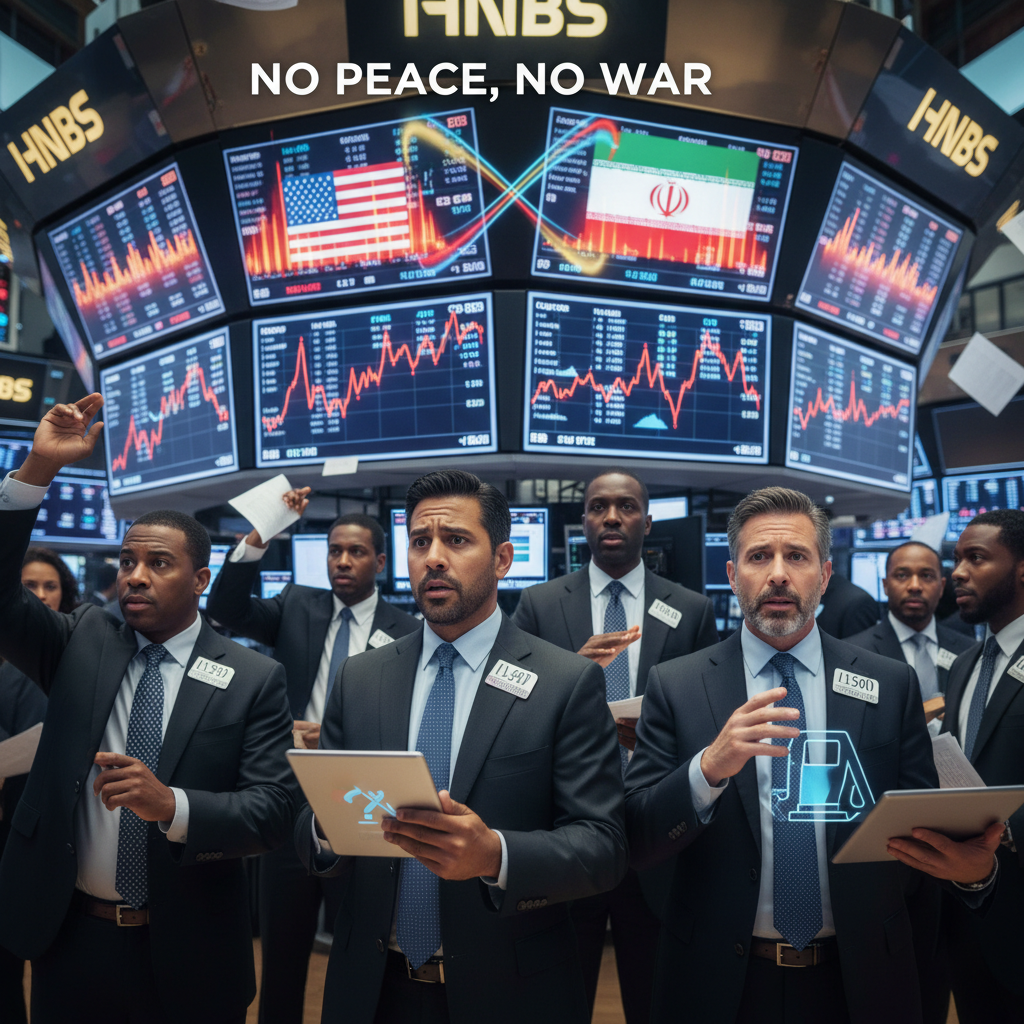
A fragile, indefinite US-Iran ceasefire creates market volatility, impacting oil prices and consumer costs. Learn how to navigate this new economic normal.
Key Takeaways
- US-Iran relations are defined by an indefinite, fragile ceasefire, establishing a 'new normal' of 'no peace, no active war'.
- Stalled peace talks and control over the Strait of Hormuz keep oil prices elevated due to geopolitical risk.
- The ongoing uncertainty significantly impacts commodity markets, contributing to higher consumer costs across the economy.
- Investors are adjusting to a prolonged period of instability, influencing portfolio strategies.
- This situation highlights the importance of financial preparedness, including budgeting and investment diversification.
Why It Matters
This 'no peace, no war' scenario directly impacts global oil prices, consumer costs, and creates market uncertainty for investors.
US-Iran 'No Peace, No War' Fuels Market Uncertainty, Your Wallet
The latest developments in US-Iran relations are more than just geopolitical headlines; they have a tangible, immediate impact on your finances. With an indefinite ceasefire creating a 'no peace, no war' scenario, the resulting market uncertainty is driving up commodity prices and affecting everything from your gas tank to your grocery bill. Understanding this 'new normal' is crucial for making informed financial decisions today.
The Bottom Line
- US President Donald Trump announced a unilateral, open-ended extension of the ceasefire in the Iran war.
- This creates a "new normal" characterized by "no peace, but no active war either," with simmering tensions and sporadic flare-ups.
- Oil prices are holding recent gains as peace negotiations between the US and Iran remain stalled, and a battle for control of the Strait of Hormuz continues.
- The prolonged geopolitical uncertainty is a key factor weighing on commodity markets and driving up consumer costs across the board.
- Investors are now adjusting to this prolonged period of instability, factoring it into their strategies.
What's Happening
In a significant, albeit perplexing, development, US President Donald Trump has unilaterally extended the ceasefire in the ongoing Iran war indefinitely. This move has formally established a unique geopolitical state: one of “no peace, but no active war either.” This new normal is not a resolution but rather a fragile equilibrium marked by persistent tensions, the potential for sporadic flare-ups, and a continued lack of formal agreement between the two nations.
This prolonged state of uncertainty follows a period where peace negotiations between the US and Iran have stalled. A critical point of contention remains the battle for control of the Strait of Hormuz, a vital shipping lane for global oil supplies. The inability to reach a formal deal, combined with the indefinite ceasefire, has left markets in a state of flux, forcing investors to adapt to an environment where stability is elusive.
Consequently, commodity markets have reacted, with oil holding three-day gains. The persistent geopolitical risk premium associated with the Middle East continues to influence prices. This backdrop, as highlighted by industry leaders like Suburban Propane CEO Michael Stivala, is contributing to broader pressures on commodities and increasing consumer costs, despite some domestic supply resilience in certain sectors.
Why This Matters for Your Money
The "no peace, no war" situation between the US and Iran isn't just about international relations; it has direct and tangible effects on your personal finances. First and foremost, the sustained uncertainty fuels volatility in global oil markets. When oil prices remain elevated or fluctuate wildly, you immediately feel it at the gas pump. Higher fuel costs translate to more expensive commutes, increased shipping costs for goods, and ultimately, higher prices for everyday necessities like groceries and consumer products. This inflationary pressure erodes your purchasing power, making your hard-earned money stretch less far.
Beyond the pump, this geopolitical tension influences broader investment landscapes. Market volatility tends to make investors nervous, leading to potential swings in stock prices. While the energy sector might see some uplift due to higher oil prices, the broader market often reacts with caution, impacting your 401(k), IRA, and other investment portfolios. Companies reliant on stable supply chains or international trade may face increased costs or disruptions, which can affect their profitability and, in turn, their stock performance. Understanding this underlying current of instability is key to assessing your portfolio's risk exposure.
Moreover, the potential for sporadic flare-ups, even without active war, introduces an unpredictable element into the global economy. This uncertainty can deter business investment, slow economic growth, and impact employment figures. For the average person, this means a heightened need for financial preparedness, such as maintaining a robust emergency fund and diversifying investments, to weather potential economic downturns or unexpected cost increases.
Action Steps
- Review Your Household Budget: Take a close look at your spending, especially on transportation, utilities, and any discretionary items. Identify areas where you can cut back or optimize to absorb potential increases in essential costs.
- Monitor Energy Consumption: Be mindful of your energy usage. Consider carpooling, using public transport, or making your home more energy-efficient to mitigate the impact of rising fuel and heating costs.
- Diversify Investments: Ensure your investment portfolio is well-diversified across different asset classes, geographies, and sectors. This can help cushion against volatility in specific markets or industries impacted by geopolitical events.
- Build or Bolster Emergency Savings: In uncertain times, having a healthy emergency fund (3-6 months of living expenses) is more critical than ever. It provides a financial buffer against unexpected expenses or economic shocks.
- Stay Informed: Keep abreast of geopolitical developments and market trends from reputable sources. Understanding the bigger picture can help you make more informed decisions about your spending and investments.
- Consider Dollar-Cost Averaging: If you're investing regularly, continuing with dollar-cost averaging (investing a fixed amount consistently) can help smooth out returns during volatile periods, as you buy more shares when prices are low and fewer when prices are high.
Common Questions
Q: What does 'no peace, no war' mean for US-Iran relations?
A: It signifies a state of indefinite, fragile ceasefire without a formal peace agreement, characterized by simmering tensions and potential for localized conflicts or disruptions.
Q: How does this situation directly affect gasoline prices?
A: Geopolitical instability, especially involving a major oil-producing region and critical shipping lanes like the Strait of Hormuz, often adds a 'risk premium' to crude oil prices, which directly translates to higher prices at the pump.
Q: Should I panic and pull my money out of the stock market?
A: Historically, sudden, drastic reactions to geopolitical events are rarely beneficial for long-term investors. Instead, focus on diversification, maintaining your long-term investment strategy, and ensuring your portfolio aligns with your risk tolerance and financial goals.
Sources
Based on reporting by Bloomberg Markets.
Source: Bloomberg Markets