Starkiller Phishing: New Advanced Threat Bypasses MFA
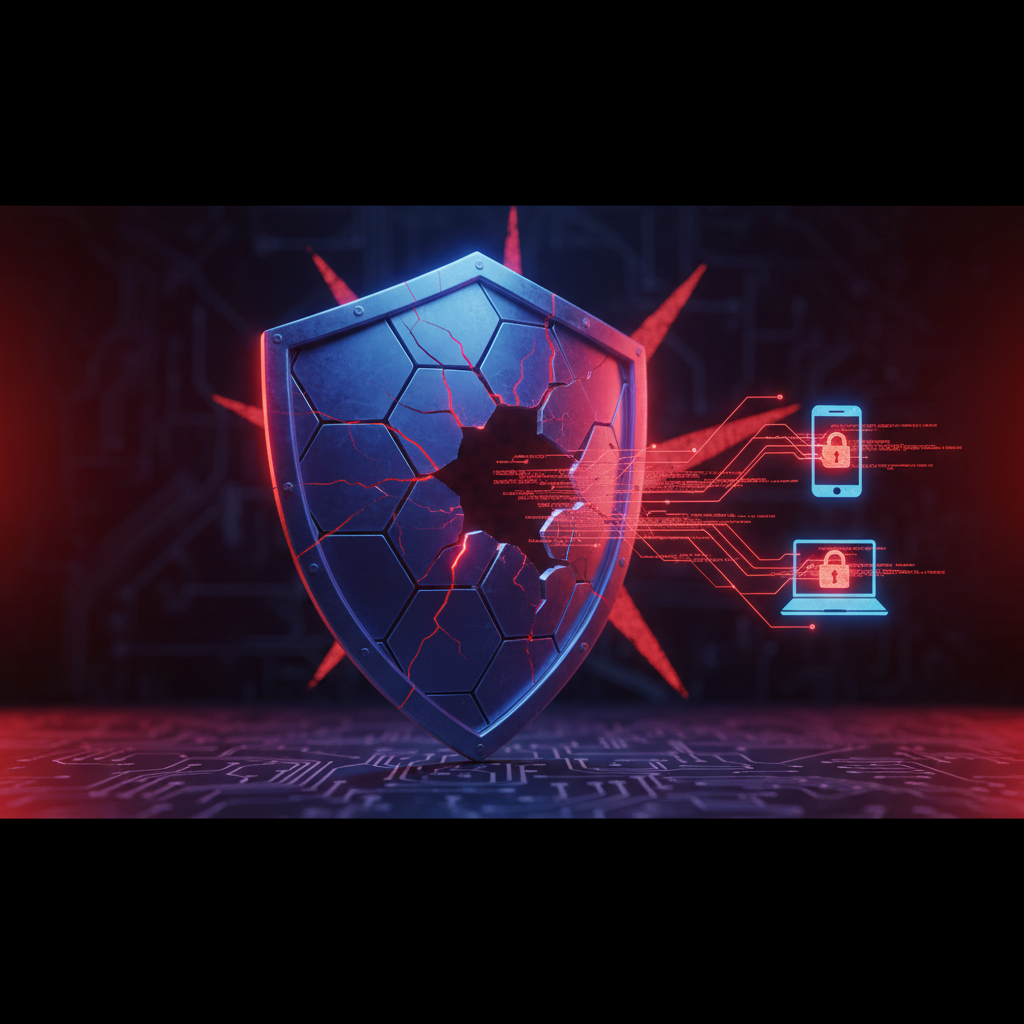
A sophisticated new 'phishing-as-a-service' called Starkiller is creating highly convincing fake login pages that can even bypass multi-factor authentication, posing a significant risk to your online accounts and finances.
Key Takeaways
- Starkiller is an advanced Phishing-as-a-Service that proxies real login pages.
- It can bypass multi-factor authentication (MFA) by intercepting and relaying codes in real-time.
- The service makes sophisticated phishing accessible to more criminals, increasing overall risk.
- Traditional phishing detection methods are less effective against this dynamic threat.
- Users must scrutinize URLs and avoid clicking login links in emails/texts to protect finances.
Why It Matters
This new phishing technique, Starkiller, directly threatens your financial accounts and identity by bypassing traditional multi-factor authentication, demanding heightened personal vigilance.
Your online bank account, investment portfolio, and even email are under a new, more sophisticated threat. A cunning new phishing service, dubbed 'Starkiller,' is enabling fraudsters to create highly convincing fake login pages that are harder than ever to detect and can even bypass once-reliable security measures like multi-factor authentication (MFA). This development signals a critical shift in the landscape of online scams, demanding heightened vigilance from every internet user.
For MoneyRadar Hub readers, understanding this evolving threat isn't just about cybersecurity; it's about safeguarding your financial stability and personal data from increasingly sophisticated attacks that directly target your digital assets and identity.
The Bottom Line
- Starkiller is a Phishing-as-a-Service (PhaaS): This service lowers the barrier to entry for criminals, allowing even those with limited technical skills to deploy highly sophisticated phishing campaigns.
- Real-time Proxying of Login Pages: Unlike static copies, Starkiller dynamically mirrors legitimate login pages in real-time, making fake sites almost indistinguishable from the real ones.
- Bypasses Multi-Factor Authentication (MFA): The service is designed to intercept and relay MFA codes, effectively circumventing a security layer previously considered highly effective against phishing.
- Evades Traditional Takedown Efforts: Its dynamic nature and proxying technique make it more resistant to rapid detection and shutdown by anti-abuse activists and security firms.
- Direct Threat to Financial Accounts: This advancement significantly increases the risk of credential theft, leading to unauthorized access to banking, investment, and other sensitive online accounts.
What's Happening
A new and particularly insidious phishing-as-a-service (PhaaS) offering, dubbed ‘Starkiller,’ has emerged, redefining the threat landscape for online security. Most traditional phishing websites are essentially static copies of legitimate login pages. While effective for less sophisticated users, these sites are often quickly identified and taken down by vigilant security firms and abuse-reporting organizations because their static nature leaves digital footprints.
Starkiller, however, operates differently and far more dangerously. Instead of hosting static copies, it functions as a sophisticated proxy. When a victim clicks a phishing link powered by Starkiller, the service doesn't direct them to a pre-built fake page. Instead, it acts as an intermediary, fetching the *actual* login page from the legitimate service (e.g., your bank, Google, Microsoft) in real-time. It then displays this live, legitimate page to the victim, but routes all their input – username, password, and crucially, even multi-factor authentication (MFA) codes – through the Starkiller service before relaying them to the real site.
This method has two critical advantages for scammers. First, because the victim sees a live, authentic login page, it becomes incredibly difficult to spot as a fake; the URL might be the only giveaway, and even that can be cleverly disguised. Second, and most alarming, by intercepting and relaying MFA codes in real-time, Starkiller effectively neutralizes the primary defense against credential theft, allowing attackers to bypass multi-factor authentication and gain unauthorized access to accounts.
Why This Matters for Your Money
The rise of services like Starkiller represents a significant escalation in the ongoing battle against cybercrime, with direct and severe implications for your personal finances. For years, financial experts and security professionals have championed multi-factor authentication as the gold standard for protecting online accounts. The ability of Starkiller to bypass MFA shatters this sense of security, meaning that even diligent users who have enabled MFA on their banking, investment, and email accounts are now at heightened risk of compromise.
If your bank or investment account credentials, along with your MFA code, are intercepted by Starkiller, criminals can swiftly gain full access. This could lead to immediate financial theft – unauthorized transfers, fraudulent purchases, or even the liquidation of investment portfolios. Beyond direct financial loss, compromised accounts can facilitate identity theft, leading to long-term financial repercussions like damaged credit, fraudulent loans taken in your name, and extensive time and resources spent recovering your identity.
Moreover, the 'Phishing-as-a-Service' model democratizes advanced cybercrime. What once required significant technical skill and infrastructure is now available to a broader array of bad actors for a fee. This means a potential surge in highly convincing phishing attacks targeting everyday individuals, increasing the likelihood that you or someone you know will encounter one. The economic impact extends beyond individuals to the broader financial system, as banks and financial institutions will face increased pressure to detect and mitigate these sophisticated attacks, potentially impacting service costs or fraud recovery processes.
Action Steps
Given the advanced nature of threats like Starkiller, a multi-layered and proactive approach to digital security is essential. Here’s what you can do to protect your money and identity:
- Scrutinize URLs Religiously: Before entering any login information, always double-check the website's URL in your browser's address bar. Look for misspellings, extra words, or unusual domain extensions. Even a single character difference can indicate a fake site. Bookmark your financial institutions' legitimate login pages and use those bookmarks instead of clicking links in emails.
- Prioritize Hardware Security Keys (FIDO/U2F): If available for your critical accounts (banking, investment, email), switch to hardware-based MFA like YubiKey or Google Titan. These keys verify the legitimate site's origin cryptographically and cannot be tricked by phishing sites that proxy connections, making them highly resistant to Starkiller-type attacks.
- Never Click Login Links in Emails or Texts: This is a golden rule that becomes even more critical with Starkiller. If you receive an email or text purporting to be from your bank, investment firm, or any service requiring a login, do not click the link. Instead, open your browser, type the official website address directly, or use a trusted bookmark to log in.
- Monitor Financial Accounts Daily: Regularly check your bank accounts, credit card statements, and investment portfolios for any unauthorized transactions or suspicious activity. Set up transaction alerts with your financial institutions for added vigilance. Prompt detection can limit potential losses.
- Educate Yourself on Phishing Indicators: While Starkiller makes visual detection harder, other phishing red flags remain: urgent or threatening language, requests for personal information, grammatical errors in the email body (even if the login page looks perfect), or unexpected communications from known entities.
- Consider a Password Manager with Auto-Fill Protection: Many reputable password managers offer features that only auto-fill credentials on verified, legitimate websites, adding an extra layer of defense against accidental login attempts on fake sites.
Common Questions
Q: What is Phishing-as-a-Service (PhaaS)?
A: Phishing-as-a-Service (PhaaS) is a subscription-based model offered by cybercriminals where they provide the tools, infrastructure, and support necessary for others to launch sophisticated phishing campaigns, often for a fee. It lowers the technical barrier for attackers.
Q: How does Starkiller bypass MFA?
A: Starkiller acts as a real-time proxy. When you enter your credentials and then your MFA code on the fake (proxied) page, Starkiller intercepts these inputs and immediately forwards them to the legitimate service. Because it relays the MFA code while it's still valid, the attacker gains access without needing to crack the code themselves.
Q: Is my bank safe if I use MFA?
A: While MFA significantly enhances security, advanced phishing services like Starkiller can circumvent it if you fall victim to their real-time proxying. The best protection is to combine MFA with strict vigilance regarding URLs and direct navigation to trusted websites, ideally using hardware security keys for MFA where supported.
Sources
Based on reporting by Krebs on Security.
Source: Krebs on Security