Starkiller: New Phishing Service Bypasses MFA, Threatens Finances
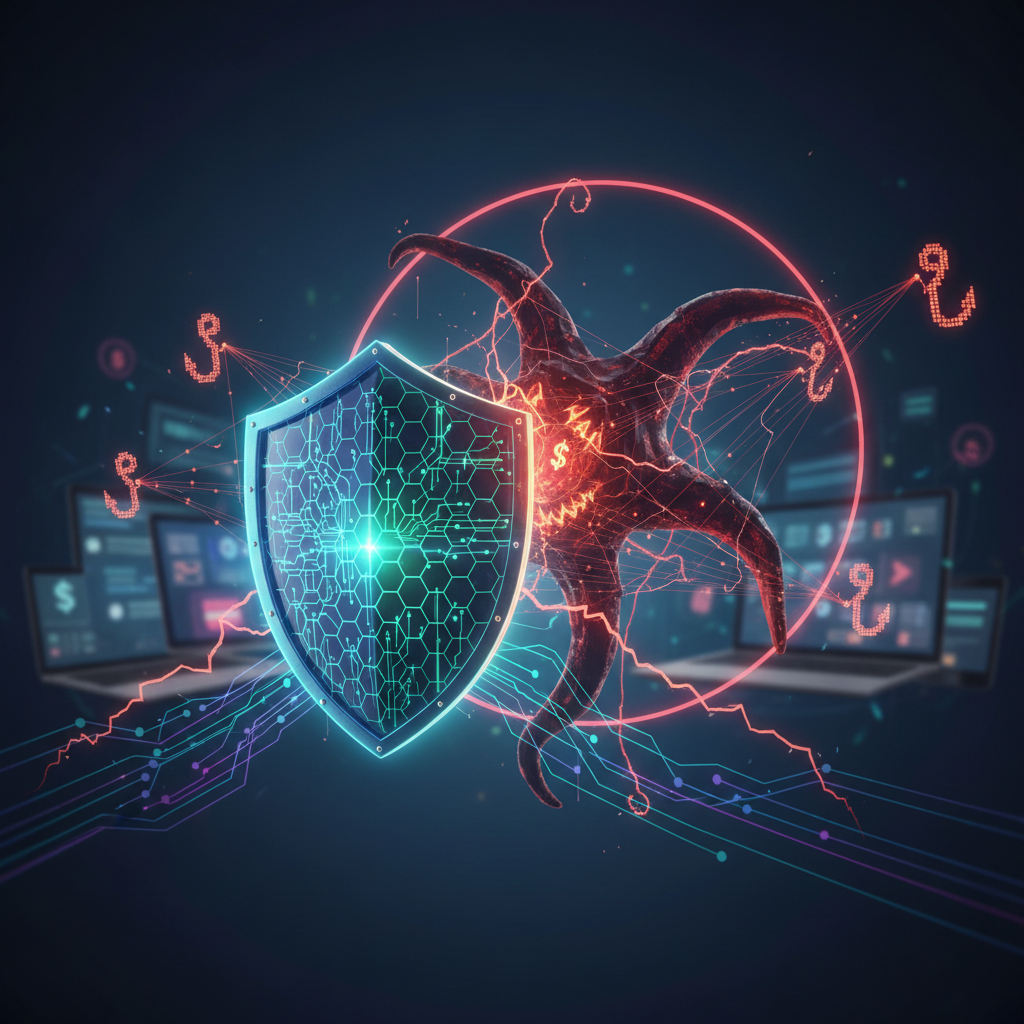
A sophisticated new phishing-as-a-service, 'Starkiller,' is emerging, capable of proxying real login pages and bypassing multi-factor authentication, posing a significant and immediate risk to your digital financial security.
Key Takeaways
- Starkiller is a sophisticated phishing-as-a-service (PaaS) that enables advanced cyberattacks.
- It proxies real login pages, making phishing sites almost indistinguishable from legitimate ones.
- The service is designed to bypass Multi-Factor Authentication (MFA), a critical security layer.
- Its stealthy nature complicates detection by anti-abuse firms, increasing attack longevity.
- This represents a significant evolution in cybercrime sophistication, demanding updated personal security measures.
Why It Matters
Starkiller's advanced phishing techniques, including proxying real login pages and bypassing MFA, pose an unprecedented threat to your digital financial accounts and identity, requiring heightened vigilance.
In an increasingly digital financial world, the sophistication of cyber threats continues to escalate, directly impacting the security of your money. A new phishing-as-a-service called 'Starkiller' represents a significant leap forward for cybercriminals, making it harder than ever for everyday users to distinguish legitimate online portals from malicious fakes. This development means your bank accounts, investment platforms, and other sensitive financial logins are under heightened threat right now.
The Bottom Line
- 'Starkiller' is a sophisticated phishing-as-a-service (PaaS) offering, lowering the barrier for cybercriminals to launch advanced attacks.
- Unlike traditional phishing sites, Starkiller proxies real login pages, making fake sites almost indistinguishable from legitimate ones.
- This service is designed to bypass Multi-Factor Authentication (MFA), a critical security layer many rely on.
- Its stealthy nature makes these attacks significantly harder for anti-abuse activists and security firms to detect and shut down.
- The emergence of such services signals an evolution in cybercrime, demanding greater vigilance from individuals managing their finances online.
What's Happening
For years, a common defense against phishing has been the ability to spot shoddy imitations of legitimate websites. Most phishing attacks rely on static, hastily created copies of popular login pages, which are often riddled with errors or hosted on suspicious URLs. These flaws, coupled with rapid detection by security researchers, meant many phishing attempts had a limited lifespan.
However, the new 'Starkiller' phishing-as-a-service offering fundamentally changes this landscape. Instead of creating static copies, Starkiller acts as a sophisticated intermediary, or 'proxy.' When a victim clicks a malicious link, they are routed through Starkiller, which then fetches the *actual* login page from the legitimate service (e.g., your bank, email provider, or investment platform). The victim interacts with what appears to be the real website, but all their input – including usernames, passwords, and even Multi-Factor Authentication (MFA) codes – is intercepted by Starkiller before being passed on to the genuine service. This allows criminals to capture credentials and bypass MFA in real-time, effectively stealing the authenticated session. This advanced technique makes detection significantly more challenging, as the phishing site dynamically reflects the real site, complete with accurate branding and real-time updates.
Why This Matters for Your Money
The financial implications of a service like Starkiller are profound and far-reaching for the average person. Your digital financial life is secured by two primary layers: your login credentials (username and password) and increasingly, Multi-Factor Authentication (MFA). Starkiller's ability to compromise both of these defenses directly threatens the security of your bank accounts, brokerage accounts, cryptocurrency wallets, and even credit card portals. Once a criminal gains access, they can drain funds, make unauthorized transfers, or even apply for new credit in your name, leading to devastating financial loss and long-term identity theft issues.
What makes this particularly insidious is the erosion of trust in visual cues. We've been taught to look for secure 'https' connections and familiar branding. Starkiller leverages real websites, making these traditional checks less effective. This means even financially savvy individuals who are typically careful about online security could fall victim. Recovering from financial fraud and identity theft can take months, or even years, and involve significant legal and administrative costs, alongside the direct loss of funds. This advanced threat necessitates a complete re-evaluation of personal cybersecurity strategies, moving beyond simple password hygiene to more robust, layered defenses.
Action Steps
Protecting your financial assets against advanced threats like Starkiller requires proactive measures. Here are concrete steps you can take:
- Verify URLs Manually: Before entering any login credentials, double-check the URL in your browser's address bar. Do not rely solely on the appearance of the page. Even better, bookmark your financial institutions' login pages and only access them via your bookmarks.
- Use Hardware Security Keys (FIDO2/U2F): For accounts that support them, physical hardware security keys (like YubiKey or Google Titan Key) offer superior phishing resistance compared to SMS codes or authenticator apps. They verify the legitimate domain before authenticating, making them much harder for proxy phishing services to bypass.
- Be Skeptical of Unsolicited Communications: Treat all unexpected emails, texts, or calls requesting login information or asking you to click links with extreme suspicion, even if they appear to be from a trusted source. When in doubt, navigate directly to the official website of the organization in question.
- Monitor Financial Accounts Regularly: Review your bank statements, credit card transactions, and investment account activity frequently for any unauthorized transactions. Early detection can minimize damage.
- Enable SMS/Email Notifications for Account Activity: Many financial institutions offer alerts for large transactions, login attempts, or password changes. Utilize these free services to stay informed about your account's security status.
- Educate Your Household: Ensure family members, especially those who share devices or manage joint accounts, are aware of these evolving threats and best practices for online safety.
Common Questions
Q: What is 'phishing-as-a-service'?
A: Phishing-as-a-service (PaaS) is a subscription-based model where cybercriminals pay to use sophisticated phishing tools and infrastructure, making it easier for less technically skilled individuals to launch advanced attacks without needing to build the malicious infrastructure themselves.
Q: How can Starkiller bypass Multi-Factor Authentication (MFA)?
A: Starkiller acts as a real-time proxy. When you enter your username, password, and then your MFA code (from an SMS, authenticator app, etc.), Starkiller intercepts these credentials. It then immediately passes them to the legitimate service to log in on your behalf, capturing the authenticated session cookie that allows the attacker to gain access without needing to repeatedly enter the MFA code.
Q: Is it still safe to use MFA if services like Starkiller can bypass it?
A: Yes, MFA is still a crucial security layer and far better than relying on just a password. However, it's important to understand its limitations. Hardware security keys (FIDO2/U2F) offer the highest level of phishing resistance for MFA, as they cryptographically verify the legitimacy of the website you are logging into, making them extremely difficult for proxy phishing services to bypass.
Sources
Based on reporting by Krebs on Security.
Source: Krebs on Security