Russian Hackers Steal Microsoft Office Tokens via Old Routers
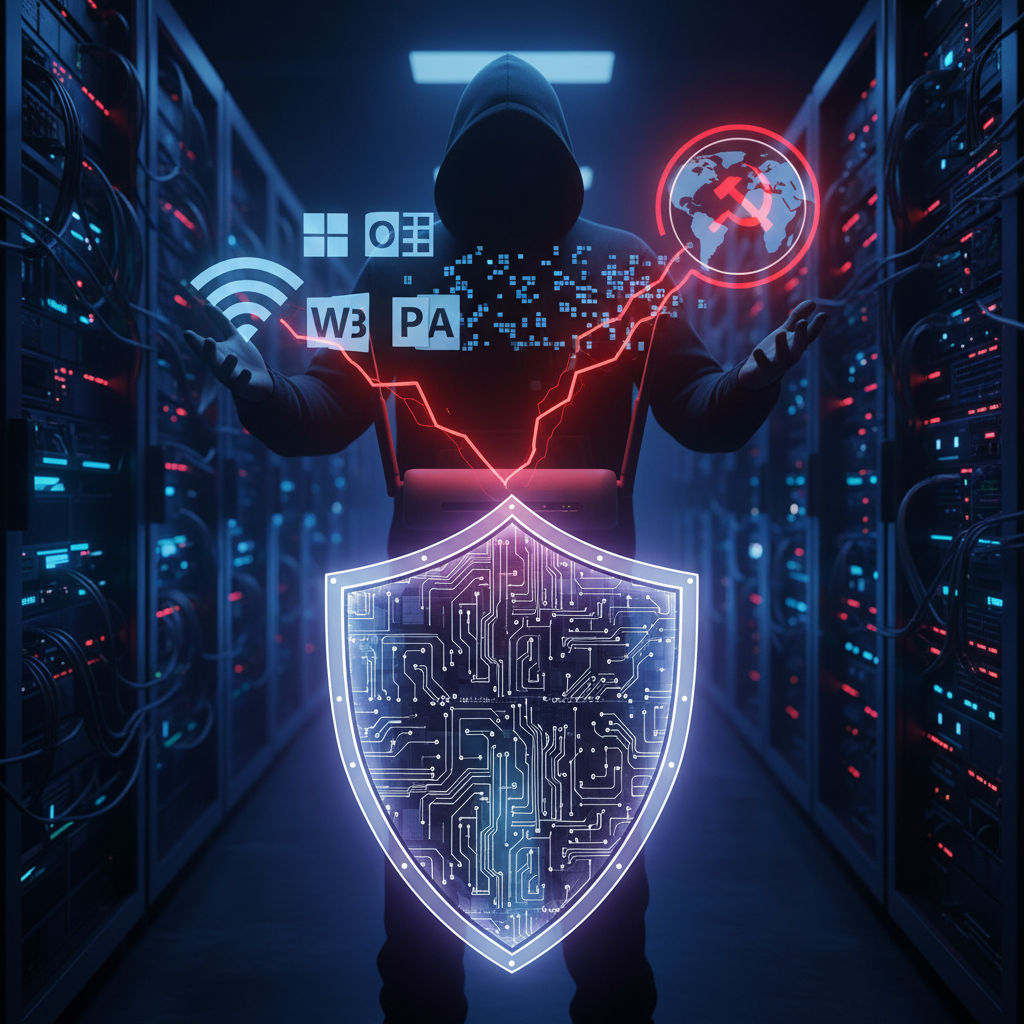
State-backed Russian hackers are exploiting flaws in older internet routers to steal Microsoft Office authentication tokens, posing a direct threat to personal and business financial security.
Key Takeaways
- Russian military intelligence-linked hackers are targeting Microsoft Office authentication tokens.
- The method involves exploiting known, unpatched flaws in older Internet routers.
- The campaign aims for mass data harvesting and espionage.
- This threat directly impacts personal and business financial security by enabling account takeover and fraud.
- Immediate action, including router updates and Multi-Factor Authentication (MFA), is crucial for protection.
Why It Matters
This router hack enables direct access to Microsoft Office accounts, leading to identity theft, financial fraud, and business email compromise, directly threatening your wallet and financial stability.
Cybersecurity experts issued a critical warning today: hackers linked to Russia’s military intelligence units are actively exploiting known vulnerabilities in older internet routers. Their objective? To mass harvest authentication tokens from millions of Microsoft Office users. This sophisticated spying campaign could quietly siphon off the digital keys that keep you logged into your crucial Microsoft services, creating a direct pathway for financial fraud, identity theft, and significant business disruption.
The Bottom Line
- Hackers linked to Russian military intelligence (GRU) are the perpetrators.
- The primary target is Microsoft Office authentication tokens.
- They exploit known, unpatched flaws in *older* Internet routers.
- The campaign aims for mass data harvesting and espionage.
- This threat directly impacts personal and business financial security.
What's Happening
Security experts have confirmed that a sophisticated cyber-espionage campaign, attributed to hackers associated with Russia's military intelligence, is underway. These state-backed actors are leveraging well-documented, but often unpatched, vulnerabilities present in a range of older Internet routers. By compromising these routers, the attackers establish a foothold within victim networks, allowing them to intercept and steal critical data.
The core objective of this operation is to harvest authentication tokens belonging to Microsoft Office users. These tokens are essentially digital keys that allow you to stay logged into services like Outlook, Word, Excel, and OneDrive without re-entering your password every time. Once stolen, these tokens grant the hackers unauthorized, persistent access to a victim's Microsoft Office accounts, effectively bypassing traditional password protections.
The quiet nature of this campaign is particularly concerning. Exploiting router flaws allows the attackers to operate discreetly, making it difficult for average users to detect the intrusion. The stolen tokens enable continuous access for spying and data exfiltration, putting a vast array of personal and professional information at risk, from sensitive emails and documents to financial data and intellectual property.
Why This Matters for Your Money
For the everyday person, this router hack isn't just a technical glitch; it's a direct assault on your financial well-being. A stolen Microsoft Office authentication token is a golden ticket for fraudsters. Imagine a hacker gaining unfettered access to your email – often the hub for password resets across your banking, investment, and credit card accounts. With email access, they can initiate password changes, request transfers, or even apply for new credit in your name, leading to devastating identity theft and direct financial loss. Your investment statements, tax documents, and personal financial plans stored in OneDrive or exchanged via Outlook become exposed, providing cybercriminals with all the information needed to compromise your financial life.
For small business owners, the stakes are even higher. Many businesses rely heavily on Microsoft 365 for their operations, including sensitive financial communications, client data, and proprietary information. A compromised business email account can be weaponized for Business Email Compromise (BEC) scams, where hackers impersonate executives or vendors to trick employees into making fraudulent payments. This can result in significant financial losses, damage to reputation, and potential legal liabilities. Furthermore, access to your company's documents could lead to the theft of intellectual property, trade secrets, or client financial data, impacting your competitive edge and market value.
Beyond immediate financial theft, the long-term repercussions can include damaged credit scores, costly and time-consuming identity restoration processes, and the psychological stress of knowing your most personal data has been breached. As your financial analyst, I cannot overstate the importance of treating this as a serious and immediate threat to your financial security. The cost of prevention is always far less than the cost of recovery.
Action Steps
- Update Your Router Firmware: Immediately check your router manufacturer's website for the latest firmware updates. Older routers are particularly vulnerable; if your router is more than 3-5 years old or no longer receives security updates, consider replacing it.
- Enable Multi-Factor Authentication (MFA): Activate MFA (also known as two-factor authentication or 2FA) on your Microsoft accounts (Outlook, Office 365) and ALL other critical online accounts, especially banking, investment, and email services. This adds a crucial second layer of security, making it exponentially harder for hackers to access your accounts even if they have a stolen token or password.
- Strengthen Router Login Credentials: Change the default administrator username and password for your router. Use a strong, unique password that combines letters, numbers, and symbols.
- Use a Password Manager: Employ a reputable password manager to generate and store strong, unique passwords for every online account. This reduces the risk of password reuse exploits if one account is compromised.
- Monitor Financial Accounts Regularly: Set up alerts for unusual activity on your bank, credit card, and investment accounts. Review statements frequently for any unauthorized transactions. Early detection is key to limiting financial damage.
- Be Wary of Phishing: Even if your tokens are stolen, hackers may follow up with targeted phishing attempts to gain further information. Be extremely cautious of suspicious emails, texts, or calls, especially those asking for personal information or urgent financial actions.
Common Questions
Q: How can I tell if my router is vulnerable or compromised?
A: The easiest way to check for known vulnerabilities is to visit your router manufacturer's support page and look for recent firmware updates or security advisories related to your model. If your router is very old and no longer receives updates, it's inherently vulnerable. For compromise, look for unusual network activity, slow internet speeds, or unexpected login pages, though these hacks are often designed to be stealthy.
Q: What exactly are 'authentication tokens' and why are they so dangerous if stolen?
A: Authentication tokens are small pieces of data that a server sends to your browser or application after you've successfully logged in. They act like a temporary digital ID card, allowing you to access services without re-entering your password for a period. If stolen, these tokens essentially bypass the need for your password, giving the attacker direct, persistent access to your account as if they were you.
Q: Does using Multi-Factor Authentication (MFA) protect me from this type of token theft?
A: Yes, largely. While a stolen token might initially grant access, many modern MFA implementations are designed to detect session anomalies or require re-authentication with the second factor if the login environment changes (e.g., a new device or location). More importantly, if an attacker uses the stolen token to attempt an action that *requires* a fresh authentication or password change, your MFA prompt on your phone or other device would alert you, effectively blocking the attack.
Sources
Based on reporting by Krebs on Security.
Source: Krebs on Security