Russian Hackers Exploit Routers to Steal Microsoft Office Tokens
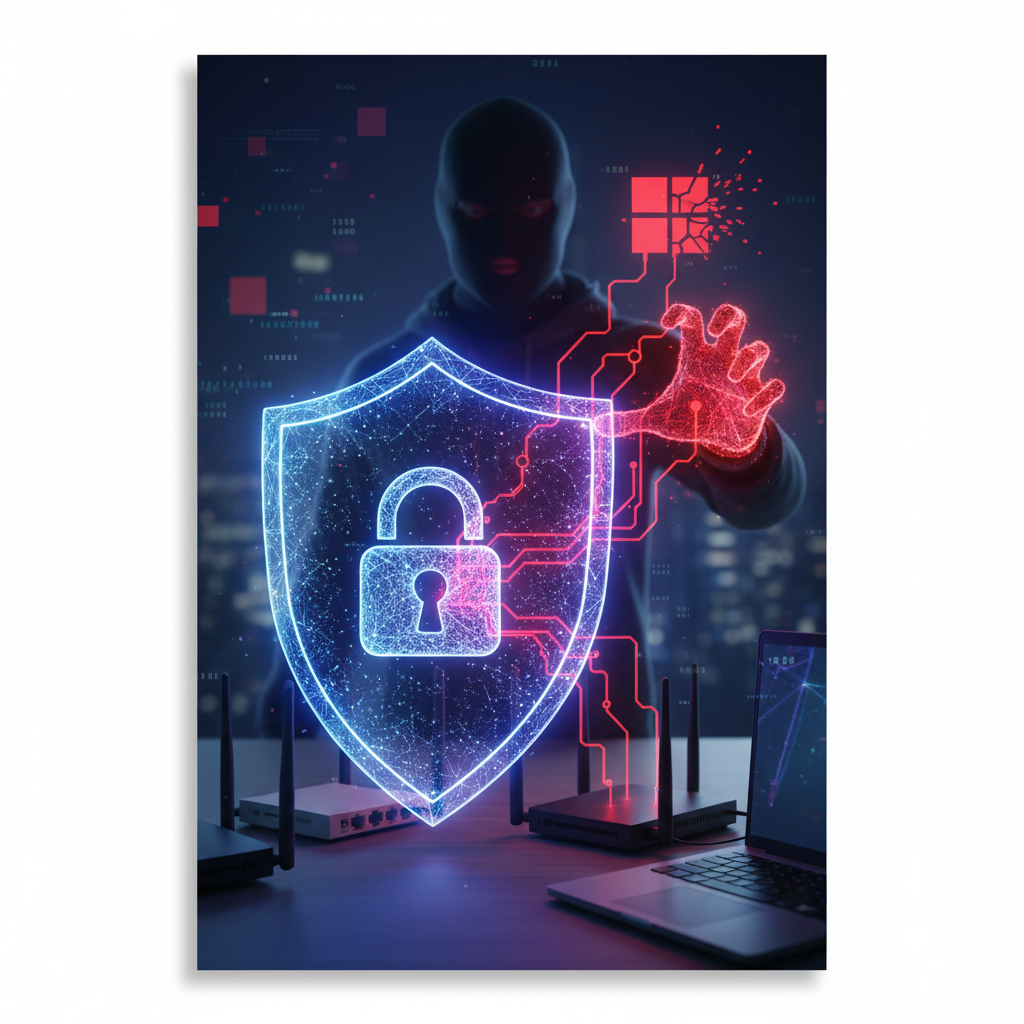
State-backed Russian hackers are exploiting known router vulnerabilities to steal Microsoft Office authentication tokens, posing a direct threat to personal and business financial security.
Key Takeaways
- Russian state-backed hackers are exploiting known flaws in older internet routers.
- Their target is Microsoft Office authentication tokens, which grant access to user accounts.
- This allows for silent, persistent access to emails, documents, and cloud storage.
- The campaign poses significant financial risks, including identity theft and direct financial fraud.
- Immediate action, like updating router firmware and enabling MFA, is crucial for protection.
Why It Matters
Compromised Microsoft Office tokens pose a direct financial threat, allowing hackers access to sensitive data that can lead to fraud or identity theft.
In an alarming development for digital security, hackers linked to Russian military intelligence are actively exploiting known weaknesses in older internet routers. Their objective: to mass harvest authentication tokens from Microsoft Office users. This sophisticated spying campaign poses a significant financial risk, as compromised tokens can grant unauthorized access to sensitive financial data and online accounts, potentially leading to identity theft or direct financial fraud.
The Bottom Line
- Russian state-backed military intelligence units are behind the current cyber campaign.
- The primary target is Microsoft Office authentication tokens, which grant access to user accounts.
- Attackers are exploiting known, unpatched flaws in older internet routers to gain initial access.
- This allows for the quiet siphoning of tokens, enabling persistent unauthorized access to user data.
- The ongoing campaign highlights the critical importance of robust cybersecurity practices, especially for everyday users.
What's Happening
Security experts have issued a stark warning regarding a new cyber espionage campaign attributed to hackers linked with Russia's military intelligence. These sophisticated actors are leveraging existing, often unpatched, vulnerabilities within older internet routers to establish a foothold. Once a router is compromised, the attackers can then intercept traffic and mass harvest authentication tokens belonging to Microsoft Office users.
Authentication tokens are essentially digital keys that verify a user's identity, allowing them to access their Microsoft Office applications and associated services—like Outlook, OneDrive, and SharePoint—without having to re-enter their password repeatedly. By stealing these tokens, the Russian hackers can bypass traditional password protections and gain silent, persistent access to a victim's email, documents, and cloud storage. This method allows them to conduct extensive spying and data siphoning operations largely undetected, turning a seemingly benign router into a gateway for significant data breaches.
Why This Matters for Your Money
For the average person, and especially for small businesses, the theft of Microsoft Office authentication tokens is not just a privacy concern—it's a direct threat to your financial well-being. Microsoft Office 365, for instance, is a central hub for many individuals and companies, storing or facilitating access to a wealth of sensitive financial information. Your email (Outlook) often contains bank statements, investment portfolio updates, tax documents, and communications with financial institutions. Cloud storage services like OneDrive might house personal finance spreadsheets, scanned legal documents, or even direct deposit information.
When these tokens are stolen, hackers gain access to this treasure trove of data. This access can be leveraged for various financially devastating scams: initiating fraudulent transactions, opening new lines of credit in your name, redirecting direct deposits, or even launching highly convincing phishing attacks against your contacts, further spreading the financial risk. For businesses, this could mean corporate espionage, theft of intellectual property, or ransomware attacks that could cripple operations and lead to massive financial losses. The financial implications are vast, ranging from direct monetary theft to the long-term cost and hassle of identity recovery.
Action Steps
- Update Your Router Firmware: Immediately check your router manufacturer's website for the latest firmware updates and install them. Older routers are particularly vulnerable, but all devices benefit from current security patches.
- Enable Multi-Factor Authentication (MFA): Activate MFA on your Microsoft account and all other financial or critical online services. Even if a token is stolen, MFA adds an essential layer of security, requiring a second verification step (like a code from your phone) to gain access.
- Use Strong, Unique Passwords: Ensure all your online accounts, especially your Microsoft account, use strong, unique passwords. Consider using a reputable password manager to help you generate and store complex passwords.
- Monitor Financial Accounts Regularly: Review your bank statements, credit card activity, and investment accounts frequently for any suspicious or unauthorized transactions. Set up transaction alerts from your financial institutions.
- Be Wary of Phishing Attempts: Be extremely cautious of unexpected emails, messages, or calls asking for personal information or credentials, even if they appear to be from Microsoft or your bank. Attackers can use stolen tokens to send convincing phishing emails from your compromised account.
- Consider a Virtual Private Network (VPN): For an added layer of security, especially when using public Wi-Fi, consider using a VPN. This encrypts your internet traffic, making it harder for attackers to intercept data, including authentication tokens.
Common Questions
Q: What exactly are "authentication tokens"?
A: Authentication tokens are digital credentials that prove your identity to an online service. Once you log in, the service issues a token that allows you to access your account for a certain period without re-entering your password. They're like a temporary digital ID card.
Q: How can I tell if my internet router is vulnerable or compromised?
A: The easiest way to check for vulnerabilities is to visit your router manufacturer's support website and look for security advisories or firmware updates specific to your model. Installing the latest firmware is the best defense. If you suspect compromise, consult a cybersecurity professional.
Q: Does using Multi-Factor Authentication (MFA) fully protect against token theft?
A: While MFA doesn't prevent token theft itself, it significantly reduces the risk of unauthorized access. Even if a hacker steals your token, they would still need to complete the second authentication step (e.g., entering a code from your phone) to gain entry, making MFA an extremely effective defense.
Sources
Based on reporting by Krebs on Security.
Source: Krebs on Security