Router Flaws Expose Microsoft Office Users to Russian Token Theft
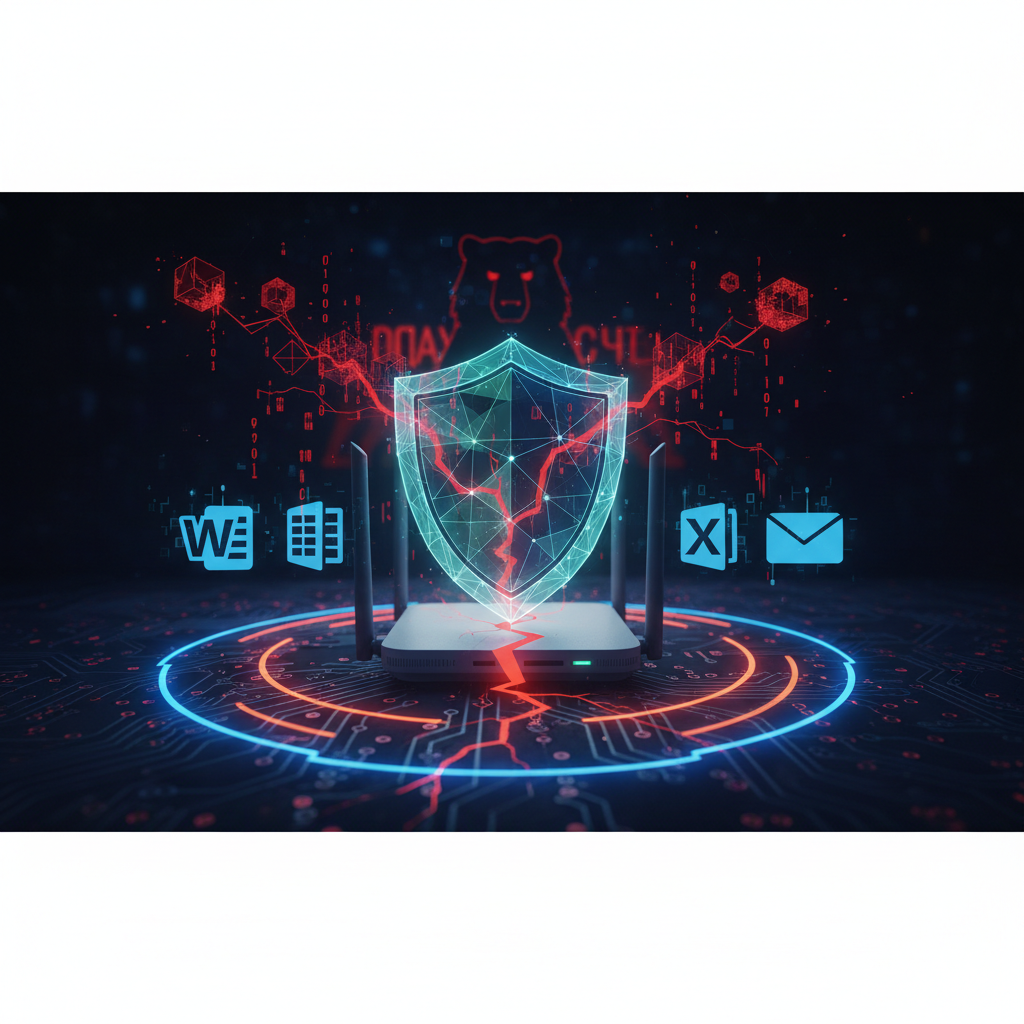
Russian state-backed hackers are exploiting known vulnerabilities in older routers to steal Microsoft Office authentication tokens, posing a significant financial and data security risk to users and businesses globally.
Key Takeaways
- Russian hackers are exploiting known flaws in older routers.
- Their goal is to steal Microsoft Office authentication tokens.
- Stolen tokens bypass passwords, allowing covert access to accounts.
- This poses significant financial risks, including identity theft and business fraud.
- Updating router firmware and enabling multi-factor authentication are critical defenses.
Why It Matters
This highlights how unpatched network devices can lead to the theft of digital keys (authentication tokens), directly enabling financial fraud and data compromise for individuals and businesses.
Cybersecurity experts have issued a stark warning: state-backed hackers, reportedly linked to Russian military intelligence, are actively exploiting known weaknesses in outdated internet routers. Their objective? To mass harvest authentication tokens from Microsoft Office users. This sophisticated spying campaign could silently compromise your financial data, business communications, and personal information, underscoring an urgent need for vigilance and protective measures.
The Bottom Line
- Targeted Exploit: Russian military intelligence units are leveraging known, unpatched flaws in older Internet routers.
- Data Sought: The primary target is Microsoft Office authentication tokens, which grant access to user accounts without needing a password.
- Widespread Risk: The campaign targets a broad spectrum of Microsoft Office users, indicating a large-scale data collection effort.
- Covert Operation: Hackers are siphoning tokens quietly, often unnoticed by victims until a deeper compromise occurs.
What's Happening
Security experts recently uncovered a sophisticated cyber espionage campaign attributed to hackers with ties to Russian military intelligence units. These adversaries are not employing novel, cutting-edge exploits; rather, they are capitalizing on well-documented vulnerabilities present in a large number of older Internet routers. These weaknesses, if left unpatched, serve as open doors for attackers to infiltrate networks.
Once inside, the hackers' primary objective is to silently siphon off authentication tokens from Microsoft Office users. An authentication token acts much like a digital key, allowing continuous access to an account even after the initial password entry. By harvesting these tokens, the Russian-backed groups can bypass traditional password-based security, gaining unauthorized and persistent access to email, documents, and other sensitive data stored within Microsoft Office 365 environments. This approach allows for a stealthy and long-term surveillance or data exfiltration operation.
Why This Matters for Your Money
This cyberattack directly impacts your financial security and privacy under the umbrella of "Scam Watch." An authentication token is effectively a key to your digital life; if stolen, it grants hackers access to your Microsoft Office accounts without needing your password. For individuals, this could mean access to personal financial documents stored in OneDrive, sensitive emails that might contain banking information, or even the ability to reset passwords for other financial accounts linked to your email. The financial fallout could include unauthorized transfers, identity theft, or fraudulent purchases made in your name.
For businesses, especially small and medium-sized enterprises (SMBs) that rely heavily on Microsoft Office 365, the implications are even more severe. Compromised employee accounts can lead to the theft of intellectual property, sensitive customer data, or financial records. Hackers could use access to internal email to initiate fraudulent wire transfers (known as Business Email Compromise or BEC scams), manipulate invoices, or gain competitive intelligence. The financial cost of a data breach—from forensic investigations and legal fees to reputation damage and lost business—can be catastrophic.
Even if no immediate financial theft occurs, the exposure of personal or business data can lead to long-term financial liabilities. Your credentials, once stolen, could be sold on dark web markets, further expanding your risk profile. This makes proactive protection of your router and digital accounts not just a matter of cybersecurity, but a critical component of personal and business financial planning and risk management.
Action Steps
- Update Your Router Firmware: Check your router manufacturer's website for firmware updates. Many older routers have known vulnerabilities that can be patched. If updates are unavailable for an old device, consider upgrading to a newer, more secure model.
- Implement Multi-Factor Authentication (MFA): Enable MFA on ALL your Microsoft Office accounts, as well as banking, email, and social media. This adds a crucial layer of security, requiring a second verification step even if your token or password is stolen.
- Use Strong, Unique Passwords: Ensure your router's administrative password and all your online accounts use strong, unique passwords. A password manager can help you manage these securely.
- Regularly Review Account Activity: Periodically check your Microsoft Office login activity logs for any unrecognized access. Similarly, monitor your bank and credit card statements for suspicious transactions.
- Segregate Sensitive Data: Avoid storing highly sensitive financial or personal data in easily accessible cloud folders. Use encrypted storage solutions for critical documents.
- Educate Your Team: If you run a business, ensure all employees are aware of these threats and follow best practices for cybersecurity, including recognizing phishing attempts.
Common Questions
Q: What exactly is an authentication token?
A: An authentication token is a piece of data that confirms your identity to an online service after you've logged in, allowing you to stay logged in without re-entering your password for a certain period. It's like a temporary pass that says, "This user is legitimate."
Q: How do I know if my router is vulnerable or compromised?
A: It's difficult to tell if your router has been specifically compromised without advanced tools. The best defense is proactive: ensure your router's firmware is up-to-date, use a strong admin password, and consider a newer model if yours is very old and no longer receives security updates. If you suspect compromise, reset your router to factory settings and change all default passwords.
Q: What should I do if I think my Microsoft Office account has been compromised?
A: Immediately change your Microsoft account password to a strong, unique one, and enable multi-factor authentication (MFA) if you haven't already. Review your recent activity and logged-in devices in your Microsoft account settings. If you find suspicious activity, contact Microsoft support.
Sources
Based on reporting by Krebs on Security.
Source: Krebs on Security