New Threat: Russian Spies Stealing Microsoft Office Login Tokens
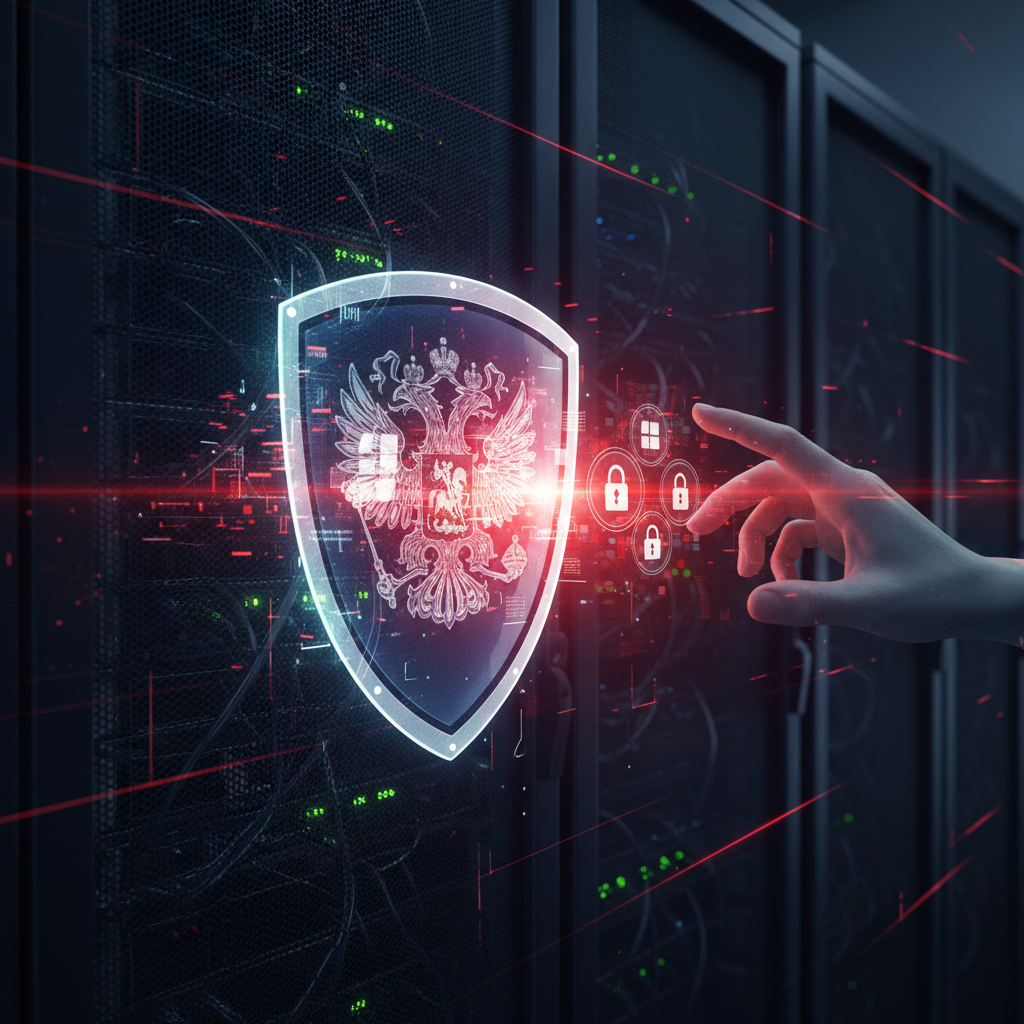
Russian military intelligence hackers are exploiting old router flaws to steal Microsoft Office authentication tokens, posing a serious threat to personal data and finances.
Key Takeaways
- State-sponsored hackers are targeting Microsoft Office users by exploiting router vulnerabilities.
- The campaign aims to steal authentication tokens, allowing persistent, password-less access to accounts.
- Compromised tokens can lead to severe financial fraud and identity theft by accessing sensitive emails and linked services.
- Older Internet routers are particularly susceptible to these exploits due to unpatched flaws.
- Immediate actions include updating router firmware, enabling multi-factor authentication, and using strong, unique passwords.
Why It Matters
Russian hackers are exploiting router flaws to steal Microsoft Office authentication tokens, directly threatening your financial accounts and personal data.
A sophisticated new cyber threat from Russian state-backed hackers is targeting millions of Microsoft Office users, potentially compromising your financial data and online security. This isn't just about email; stolen authentication tokens can unlock access to a range of your linked financial accounts and personal information, creating a significant risk to your financial well-being right now.
The Bottom Line
- Hackers linked to Russian military intelligence (GRU) are executing a campaign to steal authentication tokens.
- The attack exploits known vulnerabilities in older Internet routers to gain initial access.
- The primary goal is to mass harvest authentication tokens from Microsoft Office users.
- Compromised tokens allow persistent, password-less access to user accounts, enabling financial fraud and identity theft.
- Urgent action is needed to secure home and office routers and activate multi-factor authentication (MFA) on all critical accounts.
What's Happening
Security experts recently issued a stark warning: hackers linked to Russia's military intelligence units are actively leveraging known flaws in older Internet routers to execute a widespread spying campaign. Their sophisticated tactic involves quietly siphoning authentication tokens from unsuspecting Microsoft Office users. This method allows the state-backed Russian hackers to gain covert and persistent access to user accounts without needing to know or crack individual passwords.
The attack vector is particularly insidious because it targets a common, often overlooked piece of hardware: your Internet router. By compromising these devices, which are often left unpatched for years, the hackers can intercept network traffic and extract these crucial authentication tokens. Once a token is stolen, it acts like a digital key, granting the attackers full access to Microsoft Office services—including Outlook email, OneDrive cloud storage, and other linked applications—effectively bypassing standard password protections and enabling long-term espionage and data exfiltration.
Why This Matters for Your Money
For the average individual, a compromised Microsoft Office account, especially your primary Outlook or Exchange email, is a direct gateway to your financial life. Banks, investment platforms, credit card companies, and online retailers all use your email address for critical communications, including transaction alerts, balance statements, and, most dangerously, password reset links. If hackers gain persistent access to your email through a stolen authentication token, they can intercept sensitive financial information, initiate fraudulent transfers by resetting passwords on your banking apps, or even reroute funds without your knowledge. This direct access to your primary communication channel creates an express lane for financial fraud and significant monetary losses.
Beyond direct financial theft, access to your email account can facilitate extensive identity theft. With control of your email, attackers can access or create new accounts in your name across various online services. This could include applying for new lines of credit, making unauthorized purchases, or accessing sensitive personal data stored in cloud services like Microsoft OneDrive. The financial fallout from identity theft can be devastating, leading to ruined credit scores, substantial out-of-pocket expenses for recovery, and years of effort to reclaim your identity and financial standing. The silent nature of this token theft makes it particularly dangerous, as you might not realize your accounts are compromised until significant damage has been done.
Action Steps
- Update Your Router Firmware Immediately: Check your router manufacturer's website for the latest firmware updates. If your router is more than 5-7 years old and no longer receives security updates, consider upgrading to a newer, more secure model.
- Enable Multi-Factor Authentication (MFA) Everywhere: Activate MFA on all your Microsoft accounts (Outlook, Office 365, etc.) and every other critical online service, especially banking, investment, and social media platforms. Use an authenticator app (like Microsoft Authenticator or Google Authenticator) or a hardware key for the strongest protection.
- Use Strong, Unique Passwords: Ensure all your online accounts are protected by strong, unique passwords that are complex and not reused across multiple services. A reputable password manager can help you manage these effectively.
- Regularly Review Account Activity: Make it a habit to check your email inbox, bank statements, credit card activity, and investment accounts for any suspicious logins, unrecognized transactions, or unusual emails. Set up alerts for large transactions or password changes.
- Be Vigilant Against Phishing Attempts: Even with stolen tokens, hackers may still attempt phishing. Always scrutinize emails asking for login credentials, personal information, or prompting urgent actions. Verify senders independently.
- Separate Personal and Financial Emails: If feasible, consider using a dedicated, highly secured email address solely for financial communications and critical accounts, limiting its exposure to everyday use.
Common Questions
Q: What exactly is an authentication token?
A: An authentication token is a piece of digital data that proves your identity to an online service after you've successfully logged in. It allows you to stay logged in and access services without having to re-enter your password for every action or session. If stolen, it grants unauthorized users the same access you have.
Q: How can I tell if my router is vulnerable to this type of attack?
A: Many older routers (typically those more than five years old) are more susceptible, especially if they haven't received regular security updates from the manufacturer. Check your router's model number and visit the manufacturer's support website for information on recent firmware updates and security advisories. If updates are no longer provided, your router is likely vulnerable.
Q: Does this Russian hacking campaign affect all Microsoft Office users?
A: The campaign specifically targets users whose routers have exploitable, known vulnerabilities. However, the general threat of token theft and router compromise means that anyone using Microsoft Office services for personal or professional use should take preventative measures, as the methods could be adapted or similar attacks could emerge.
Ciro's Take
This isn't just another data breach; it's a strategic move by state-sponsored actors to gain persistent access to your digital life through a foundational piece of your home network – your router. Many of us plug in our routers and forget about them, leaving these devices as the weakest link in our cybersecurity chain. The financial implication is unequivocally clear: your email is often the central key to your financial accounts, from banking to investments and credit. A compromised email means a compromised wallet, with hackers potentially diverting funds or stealing your identity without needing to know a single password.
The critical takeaway here is the urgent need for proactive security measures. Don't wait for a breach to discover your vulnerabilities. Take the time to update your router's firmware, enable multi-factor authentication on every critical online account, and treat your email with the same vigilance and protection you would your physical bank account. In today's interconnected financial world, an unpatched router isn't just a technical oversight; it's a potential open door to your entire financial well-being. Prioritize these actions to safeguard your money and your identity.
This article is for informational purposes only and is not financial advice.
Sources
Based on reporting by KrebsOnSecurity.
Source: Krebs on Security