New 'CanisterWorm' Wiper Attack Signals Rising Cyber Extortion Threat
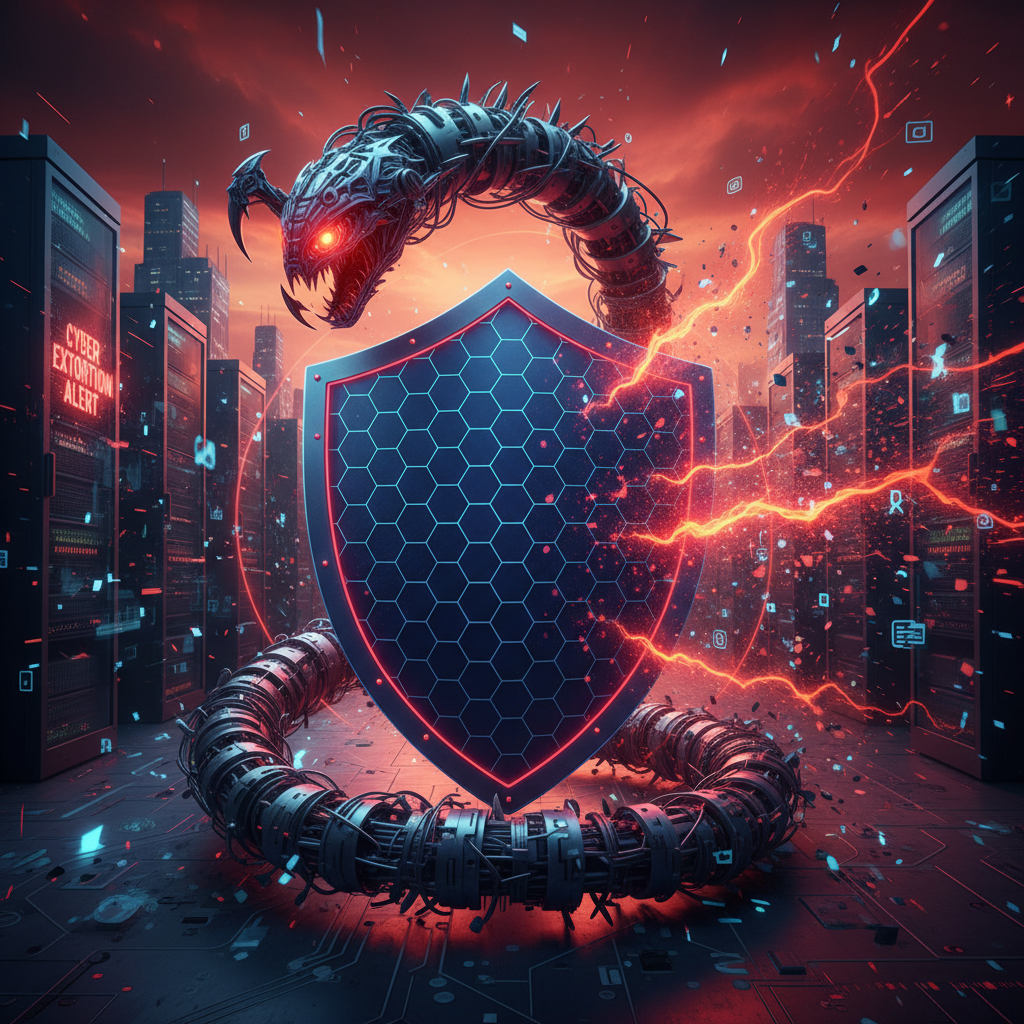
A financially motivated cyber group is deploying 'CanisterWorm' to wipe data and extort victims, highlighting the urgent need for robust cloud security measures for all.
Key Takeaways
- A financially motivated group is deploying 'CanisterWorm' for data theft and extortion.
- The worm exploits poorly secured cloud services to spread and wipe data.
- Targets are currently systems with Iran's time zone or Farsi language settings.
- This type of attack underscores the global risk of data loss and financial disruption for anyone using cloud services.
- Proactive cybersecurity measures, like MFA and data backups, are essential to protect personal finances.
Why It Matters
The 'CanisterWorm' attack highlights how vulnerable cloud services and digital data are to financially motivated wiping and extortion, impacting personal financial stability.
The digital world is a constant battlefield for your financial security. A new threat, dubbed 'CanisterWorm', illustrates just how quickly cybercriminals are evolving, not just to steal data but to wipe it entirely, posing an escalating risk to cloud-stored assets and personal information worldwide. This financially motivated attack, while currently targeting specific regions, carries universal lessons about safeguarding your digital wealth from sophisticated extortion schemes.
The Bottom Line
- A new cyber threat, 'CanisterWorm', is being deployed by a financially motivated data theft and extortion group.
- The worm spreads primarily through poorly secured cloud services.
- Its primary function is to wipe data from infected systems.
- Targets include systems configured with Iran's time zone or Farsi as the default language.
- The group aims to inject itself into geopolitical conflicts while pursuing financial gain through data theft and extortion.
What's Happening
A sophisticated new cyber threat known as 'CanisterWorm' has emerged, attributed to a financially motivated group specializing in data theft and extortion. This group is reportedly attempting to leverage ongoing geopolitical tensions, specifically targeting systems within Iran. The 'CanisterWorm' operates as a highly destructive worm designed to propagate through inadequately secured cloud services.
Once it infiltrates a system, its core objective is to erase data. The attack is specifically configured to identify and impact systems that have Iran's time zone set or use Farsi as their default language, indicating a targeted approach. This digital weapon not only aims to compromise data integrity but also serves the broader financial goals of the perpetrators, who combine data theft with extortion tactics.
Why This Matters for Your Money
While 'CanisterWorm' currently targets specific geographic and linguistic configurations, its underlying methods – exploiting poorly secured cloud services, data wiping, and extortion – represent a significant and growing threat to everyone's financial well-being. For the average investor or consumer, the implications are direct: reliance on cloud services for banking, investment portfolios, personal documents, and business operations means that vulnerabilities in these systems can lead to catastrophic financial losses. A wiper attack on a service you use could mean lost financial records, corrupted investment data, or even the complete destruction of digital assets essential for your business or personal financial management.
The "financially motivated" aspect of this group is crucial. They are not just seeking disruption; they are looking for ways to extract money, whether through direct extortion for data recovery, selling stolen financial information, or disrupting services to devalue assets. This underlines the importance of treating all digital security as financial security. A data wipe isn't just an inconvenience; it could erase years of financial planning, tax records, and irreplaceable personal or business data, leading to severe financial and legal repercussions. Protecting your digital footprint is now as vital as safeguarding your physical wallet.
Action Steps
- Enable Multi-Factor Authentication (MFA): Ensure MFA is active on all financial accounts, email, cloud storage (e.g., Google Drive, Dropbox, OneDrive), and social media.
- Back Up Your Data Regularly: Implement a robust 3-2-1 backup strategy: at least three copies of your data, stored on two different media types, with one copy off-site (e.g., external hard drive + cloud storage).
- Secure Cloud Services: Review security settings for all cloud accounts. Use strong, unique passwords, and limit access permissions to only what is necessary.
- Stay Skeptical of Unsolicited Communications: Be wary of phishing attempts via email, SMS, or calls, as these are common entry points for malware and credential theft.
- Keep Software Updated: Regularly update your operating systems, applications, and antivirus software to patch known vulnerabilities.
- Monitor Financial Accounts: Routinely check bank statements, credit card activity, and credit reports for any suspicious transactions or signs of identity theft.
Common Questions
Q: Is the 'CanisterWorm' threat relevant if I'm not in Iran?
A: While 'CanisterWorm' targets systems with specific language and time zone settings, the underlying attack methods – exploiting poorly secured cloud services and conducting data wiping for financial gain – are universal threats that affect anyone relying on digital platforms. The techniques can be adapted to target anyone.
Q: What exactly is a "wiper attack," and how does it differ from ransomware?
A: A wiper attack is a type of cyberattack designed to permanently destroy or delete data on infected systems, rendering them inoperable. Unlike ransomware, which encrypts data and demands a ransom for its release, wiper attacks aim for destruction, making data recovery often impossible, even if a payment is made. Both are financially motivated, but wiper attacks cause irreversible damage.
Q: How can a data wipe directly impact my personal finances?
A: A data wipe can devastate personal finances by destroying critical financial records, tax documents, investment portfolio data, or digital assets like cryptocurrencies. For small businesses, it can halt operations, lead to lost revenue, legal liabilities, and the potential closure of the business, directly impacting personal income and wealth.
Sources
Based on reporting by Krebs on Security.
Source: Krebs on Security