Data Ransom Gang's Tactics Threaten Your Financial Security
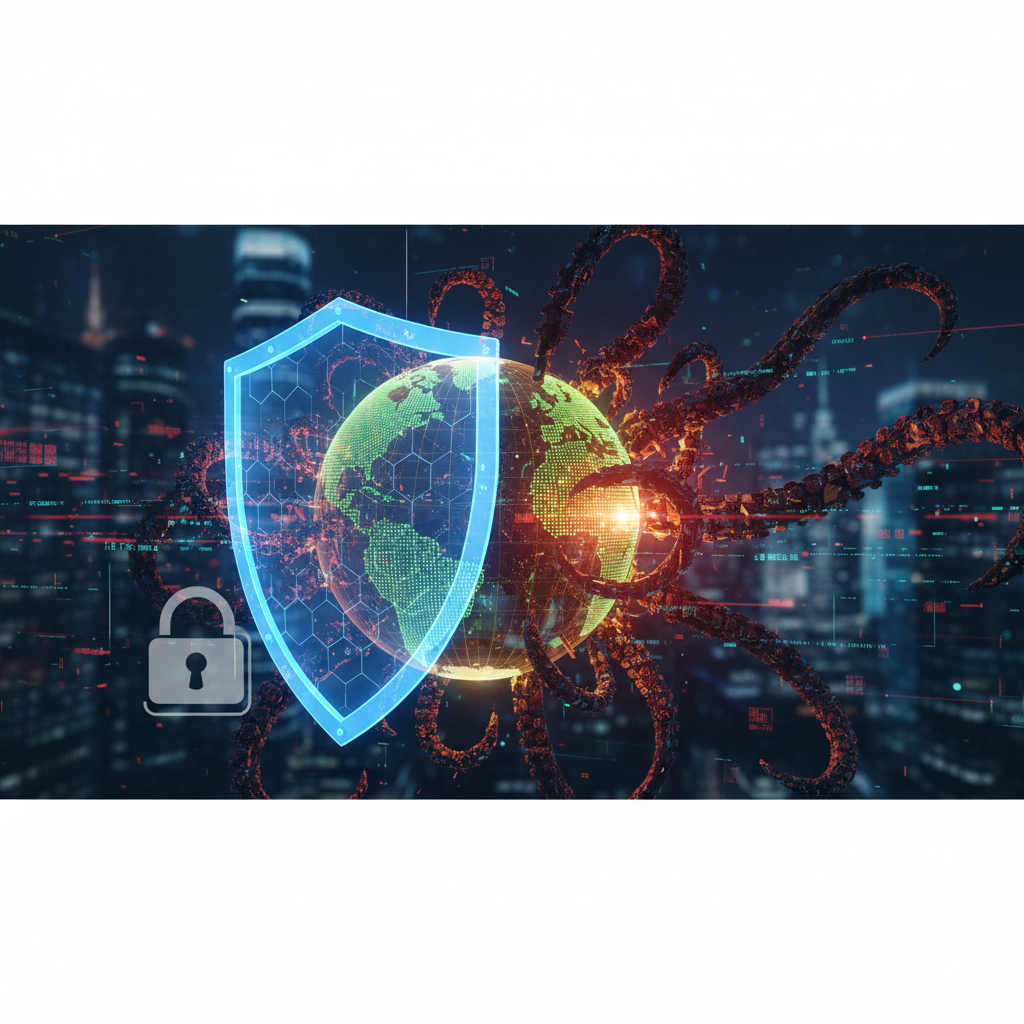
A prolific data ransom gang, SLSH, uses aggressive tactics like harassment and data exposure, highlighting the critical need for robust personal financial and data security.
Key Takeaways
- SLSH uses aggressive tactics like harassment and 'swatting' to extort victim firms.
- The gang publicizes breaches to increase pressure, potentially exposing individual data.
- Individuals face significant financial risk from identity theft and fraud if their data is compromised in these attacks.
- Strong personal cybersecurity measures, like MFA and credit freezes, are crucial defenses.
- This represents an escalation in cybercrime tactics, requiring increased vigilance.
Why It Matters
This aggressive data ransom gang underscores how corporate data breaches directly threaten your personal financial stability and identity, demanding proactive security measures.
In an increasingly digital world, the threat of data breaches and cyber extortion isn't just a corporate problem—it directly impacts your personal financial security. A notorious group known as Scattered Lapsus ShinyHunters (SLSH) is employing particularly aggressive and public tactics, reminding us all that our personal information is a prime target for those looking to extort money, putting our savings and identity at risk.
Understanding these evolving threats is crucial to safeguarding your financial well-being and making informed decisions about how you protect your digital footprint.
The Bottom Line
- Aggressive Extortion Tactics: The Scattered Lapsus ShinyHunters (SLSH) gang employs unique, high-pressure methods including harassment, threats, and even 'swatting' executives to force victim firms into paying ransoms.
- Public Exposure Risk: SLSH's playbook includes notifying journalists and regulators about compromised data, increasing public pressure on victims and potentially exposing individuals' information.
- Prolific Threat: The group is described as 'prolific,' indicating a high volume of activity and a significant threat level to businesses and, by extension, the individuals whose data they hold.
- Data as Leverage: While targeting firms, the core leverage for these attacks is often sensitive personal and financial data, which can be used for identity theft and fraud if leaked.
- Evolving Cybercrime: These sophisticated and increasingly personal tactics represent a significant escalation in the cyber ransom landscape, demanding heightened vigilance from individuals and organizations alike.
What's Happening
A data ransom gang operating under the name Scattered Lapsus ShinyHunters (SLSH) has garnered attention for its distinctive and highly aggressive playbook when extorting payment from victim companies. Unlike traditional ransomware groups that simply encrypt data and demand payment for decryption, SLSH adds a layer of intense personal pressure to their scheme.
When seeking to compel payment, SLSH goes beyond mere data encryption or leakage threats. Their tactics involve harassing and threatening executives and their families, sometimes escalating to extreme measures such as 'swatting'—making false reports to emergency services to draw a large police response to a victim's home. Simultaneously, the gang takes steps to notify journalists and regulatory bodies about the data breaches, ensuring maximum public and reputational damage to the targeted firms. This comprehensive approach aims to create an inescapable environment of pressure, forcing victim organizations to comply with their ransom demands.
Why This Matters for Your Money
While SLSH directly targets corporations and their executives, the implications for the average person's financial security are profound and fall squarely under the "Scam Watch" radar. When a company is breached, it's often your personal data—your name, address, email, phone number, Social Security number, financial account details, or health information—that becomes the bargaining chip. If a firm succumbs to SLSH's pressure, or if they refuse and the data is leaked, your personal information can end up on the dark web, ripe for exploitation by other scammers and identity thieves.
A data breach involving your sensitive information can lead to a cascade of financial problems. Identity theft can result in fraudulent credit card charges, unauthorized loans taken out in your name, or even medical identity theft that impacts your insurance and credit score. Recovering from identity theft is not only emotionally taxing but also financially draining, requiring significant time and effort to clear your name, dispute charges, and restore your creditworthiness. The aggressive nature of SLSH's tactics underscores the fact that even if your employer or a service provider is the direct target, your personal financial life can be caught in the crossfire, necessitating a proactive approach to protecting your assets and identity.
Action Steps
- Enable Multi-Factor Authentication (MFA): Activate MFA on all your financial accounts, email, social media, and any service that offers it. This adds a crucial layer of security beyond just a password.
- Use Strong, Unique Passwords: Create complex, long passwords (12+ characters) for each online account. Consider using a reputable password manager to help generate and store them securely.
- Monitor Financial Accounts Regularly: Review your bank statements, credit card bills, and investment accounts frequently for any suspicious activity, even small, unfamiliar charges.
- Freeze Your Credit: Consider freezing your credit with all three major credit bureaus (Equifax, Experian, TransUnion). This prevents new accounts from being opened in your name without your explicit permission.
- Be Wary of Phishing and Social Engineering: Cybercriminals often follow up breaches with phishing attempts. Be suspicious of unsolicited emails, texts, or calls asking for personal information or urging immediate action.
- Review Data Breach Notifications: If you receive a notification that your data has been compromised in a breach, take advantage of any identity protection or credit monitoring services offered by the affected company and follow their recommended steps immediately.
Common Questions
Q: What is a data ransom gang?
A: A data ransom gang is a cybercriminal group that infiltrates computer networks, steals sensitive data, and then demands a payment (ransom) from the victim organization in exchange for not publishing or selling the stolen data, and sometimes for providing a decryption key for encrypted systems.
Q: How do I know if my data has been compromised in a breach?
A: Companies legally required to notify individuals if their data was involved in a breach. You might receive an email or letter directly from the affected company. Additionally, services like Have I Been Pwned? can check if your email address has appeared in known data breaches.
Q: If my data is stolen, what's the immediate financial risk?
A: The immediate financial risk includes potential identity theft, fraudulent credit card charges, unauthorized bank transfers, and new accounts or loans opened in your name. Stolen data can also be used for targeted phishing scams against you.
Sources
Based on reporting by Krebs on Security.
Source: Krebs on Security